Featured Article

Italy Trip Report – 2013

In May of 2013 I led a group of adventurous and inquisitive gardeners (and their spouses) to the southern coast of Italy and the island of Sicily. We had a wonderful time: lots of great food, beautiful gardens, historic sites and good companionship! Following is my report on the trip,...

READ MORE

UGA Vegetable Gardening Publications

With food prices high, folks have been thinking about growing some of their own food. Food gardening is not hard and it doesn’t have to take much room in your landscape. You can even do it in containers! These gardening publications are available on the Internet or ask for a...

READ MORE

Shrub – Pruning Calendar

The Home & Garden section of the Atlanta Journal and Constitution published a very nice pruning calendar several years ago. When viewed on a sheet of newsprint, it was gorgeous. When reduced to fit onto a sheet of typing paper it was impossible to read. I imagine you didn’t keep...

READ MORE

South Africa Adventure – 2014

As many of you know, I led a group of gardeners and spouses to South Africa in 2010. The memories of that vibrant, beautiful, surprising country still linger in my brain! We had such a good time I’ve decided to lead another group trip there in January, 2014. Want to...

READ MORE

New Gardening Books

I regularly receive interesting-looking gardening books from publishers. I don’t have time to read them all or give an intelligent review but I know they would appeal to many gardeners. These are some of the books I’ve gotten recently. You can click the link under the book cover images to...

READ MORE

  • RECENT ARTICLES
  • POPULAR ARTICLES

Juniper – Planting on Bank

Juniper is reputed to be a tough plant. It certainly is…but it’s not immune to poor soil conditions. A common problem occurs with junipers growing on a steep bank. The plants at the top look fine, the ones in the...

READ MORE

Blueberry

Vaccinium spp. Cultivated blueberry production in the South consists predominantly of the northern highbush blueberry and the rabbiteye blueberry, a native southern blueberry. • Much more information can be found in The Georgia Fruit & Vegetable Book by Walter Reeves...

READ MORE

Apple

Malus cv. With the availability of dwarf trees, nearly any backyard can accommodate some of these fruit trees. Standard-sized Apple trees reach 30 feet or more tall with an equal width. Semi-dwarfs reach 15 to 20 feet and dwarfs grow...

READ MORE

Watermelon

Citrullus linatusSummertime celebrations would be incomplete without watermelons. Children of all ages love the sweet, juicy fruit of these hot-weather African natives. As is the case with other summer melons, watermelons need a long, hot season to develop. • More...

READ MORE

Strawberry

Fragaria cv. Growing your own Strawberries means that you can have the makings for a tasty treat, especially with short cake and ice cream, on a hot summer evening. • More detailed information can be found in The Georgia Fruit...

READ MORE

Peach

Prunus persicaPeach trees are challenging to grow in the Southeast, even though Georgia is known as the Peach State and the Carolina’s produce huge numbers of the fruits each year. They are susceptible to several damaging disease and insect pests....

READ MORE

Plum

Prunus cv. Plums can be grown throughout the Southeast and are an excellent addition to the backyard grower’s orchard. The three major classifications of Plums are European, Oriental and Native American. • More detailed information can be found in The...

READ MORE

Raspberry

Rubus cv. Fresh Raspberries are nearly impossible to find in grocery stores because they deteriorate quickly after picking and do not ship well. Growing a few in your backyard is the best way to enjoy these delicious fruits. • More...

READ MORE

Banana

Musa spp. Even though it is considered a tropical plant, you too can grow a Banana tree. Harvesting fruit, though, is possible only in coastal areas. The trunk is not a true stem but only a cluster of leaf stalk...

READ MORE

Kiwifruit

Actinidia spp.What a difference a name makes! Chinese Gooseberry is not a fruit name that invites tasting but when American importers renamed it “Kiwifruit”in the 1960′s the brown, fuzzy fruit gradually became known in grocery stores across the South. •...

READ MORE

Hydrangeas – Why They are Blue or Pink

We all know that life depends on chemistry. We may not understand the chemistry…but life goes on whether we understand it or not. If you want to go hard-core in understanding why hydrangeas are blue or pink, here is a...

READ MORE

Mulberry

Morus albaMulberries are large, fast-growing trees that are good fruit producers for humans and wildlife. The fruit resembles a slender Blackberry and wild Mulberries have a mild (some would say insipid) flavor. • Much more information can be found in...

READ MORE

Mayhaw

Crataegus spp. Mayhaws are closely related to Apple and Pear and have been used as dwarfing rootstocks for both. Mayhaw is native to the swamps and lowlands of the Southeast. • Much more information can be found in The Georgia...

READ MORE

Muscadine – Sources

Possums, yellow jackets and adolescents are aficionados of a true Southern delicacy: muscadine grapes! The juicy fruits are available in grocery stores but they are best enjoyed picked right off the vine on a hot autumn afternoon. The muscadine grape...

READ MORE

Hydrangeas – Pruning Late

Even though July is the preferred month to prune bigleaf hydrangeas, sometimes circumstances intervene to keep you from doing what should be done. If that is the case, don’t despair. Hydrangeas can still be pruned after August… but more carefully...

READ MORE

Blackberry

Rubus cv. Blackberries and raspberries are very similar. They are both brambles that grow on biennial canes emanating from perennial roots. The canes grow vigorously the first year, fruit the second year and then die. • More detailed information can...

READ MORE

Hydrangea – Changing Flower Colors

“Lime makes ‘em pink, sulfur makes ‘em blue,” or is it the other way around? Indeed, adding lime to the soil around the common French hydrangea will make the plant change flower color from blue to pink. The lime counteracts...

READ MORE

Grape, Bunch

Vitis cv. American and French hybrid bunch Grapes can be grown in most areas of the Southeast as long as varieties adapted to your area are chosen. They can be grown in the garden as ornamentals or just for the...

READ MORE

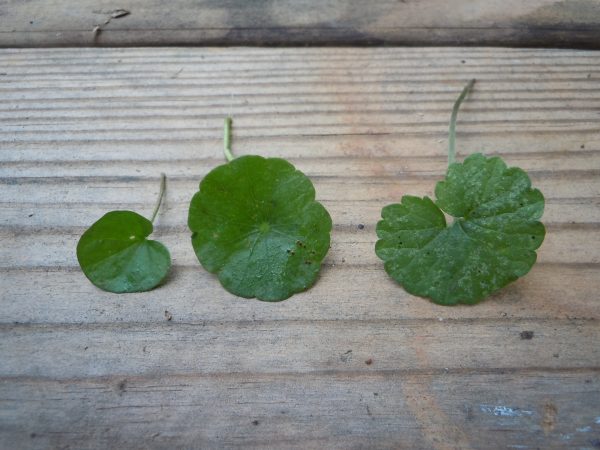
Weeds – Identification with Pictures

Weed control in the landscape is a tough business. You have to know a lot about the weed in question just to get started! As in most situations, a picture is worth a thousand words. Websites Preen has terrific weed...

READ MORE

Diagnosing Holes in the Yard

Sometimes many heads are better than one when it comes to solving a problem. Wade Hutcheson, my Extension colleague in Spalding county, gets plenty of calls from the citizens of his area asking his help in identifying various holes in...

READ MORE

Brown Patch – Diagnosing

You have brown patches of dead grass in your lawn. Is it the common lawn disease ‘brown patch’ or is it something else? The answer is important: if it is brown patch you probably need to spray with a fungicide....

READ MORE

Bermuda – Weed Control

BASIC INFORMATION: Weed Identification Pictures General Turf and Weed Info Lawn Care Calendars THREE METHODS There are three primary methods of controlling weeds. Any one method, when used alone, will not usually control all of your weeds. To consistently control...

READ MORE

Lawn – Timing Pre-emergent Herbicide

One of the sourest phrases that can be directed at a child or adult is “I told you so!” Whether you touch a hot match, leave tools out in the rain or lift cinder blocks all afternoon, someone is usually...

READ MORE

Crapemyrtle – Pruning

One of the most confounding arguments I face is whether and how to prune crapemyrtles. They are mercilessly “murdered” by unaware landscapers and homeowners each winter… yet they still bloom in summer. Some people even believe a crapemyrtle won’t bloom...

READ MORE

Bermuda Grass – Disease – Brown Patch

Brown patch is most prevalent on bermudagrass which has been heavily fertilized when night temperatures are above 68 degrees and day temperature are above 80 degrees. Dead patches of grass may start small but can grow and join together to...

READ MORE

Lawn – Growing in Shade

OK. I admit it. I have given up. I came to the conclusion that grass just would not grow in the corner of my lawn near the ornamental cherry trees. The shade there is so dense that my grass, no...

READ MORE

Lawn – Leveling

A new home in my neighborhood had bermudagrass sod planted in March. By May, one area was a perfect checkerboard of straight lines, composed of weedy plants, surrounding the individual squares of sod. Evidently the sod installers were in such...

READ MORE

St. Augustine Grass Seed – Where to Buy

Q: Please tell me where I can buy St. Augustine grass seeds. Our lawn has some now and we like it a lot, but we’re having trouble finding seeds. A: You can’t buy St. Augustinegrass seed. The plant is very...

READ MORE