Food Gardening
Container Gardening – Vegetables
Though the trend now is to rent rather than own a home, the urge to grow your own food is still strong. Rather than dig a permanent garden plot, you can get great yields from containers on your patio, deck...
School Garden – Resources
If you’re a teacher or parent involved in setting up a school garden, you know there’s lots more to it than digging the dirt and planting some seeds. Do you have a good garden spot? When will you plant? What...
Vegetables – Cold Damage
Vegetable crops differ in their hardiness to cold temperatures, depending upon their genetics and origin. Warm season crops, such as tomatoes, snap beans, and the cucurbits originated in tropical areas and can be severely injured by even a light frost....
UGA Fruit and Nut Publications
Following are good UGA fruit and nut publications: Citrus Fruit for Southern and Coastal Georgia Experiments and Observations on Growing Mayhaws as a Crop in South Georgia and North Florida Home Garden Apples Home Garden Blueberries Home Garden Bunch Grapes...
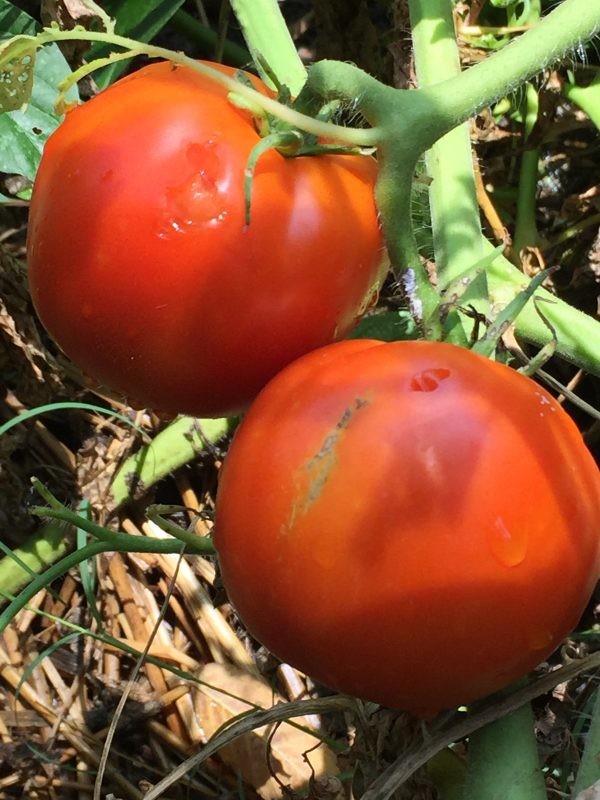
Tomato – “Horns” and “Nose”
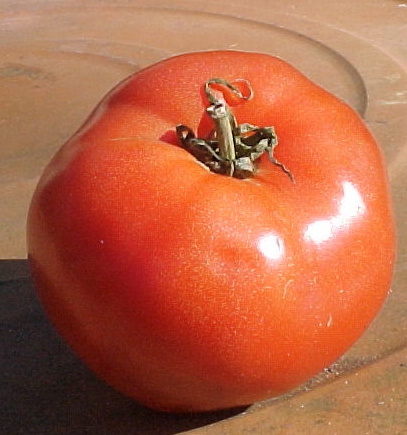
Over the years I have received several pictures of oddly-shaped tomatoes. They had “horns” and I couldn’t figure out why. Now Dr. Joe Kemble at Auburn University has finally laid it out for me: It is a physiological/genetic disorder. With...
June Garden Tips
Like fresh tomatoes but have little space? ‘Patio’ tomatoes grow in a 24-inch pot but give mouth-watering fruit! A half whiskey barrel makes an excellent container for a cherry tomato and three basil plants. Adorn cocktail toast with cheese, a...
Squash/Pumpkin/Cucumber/Watermelon Pollination – Explanation
I frequently receive from gardeners pictures of crazy-looking squash, cucumbers and gourds. Typically the plants sprouted in a compost pile, from discarded fruit of the past year. The gardeners suspect cross-pollination is to blame for the odd shapes and they...
Rain Barrel – Using Water in a Vegetable Garden
Few things are cleaner than rain water, right? Well, in its pure state, rain water is clean. But coming off your roof into your rain barrel, it collects several pollutants that could be harmful. Water in your rain barrel might...
Fruit – Pruning
Winter and early spring are the best time to prune fruiting plants, whether trees, vines or bushes. The purpose of pruning is to train a plant to its strongest form and to get the correct ratio of leaves to developing...
Notes on Fire Blight Control from a Plant Pathologist
Notes on Fire Blight from Elizabeth L. Little, Assistant Professor – Homeowner IPM/Sustainable Agriculture, UGA The time to think about fireblight management using sprays is just before and during bloom, so late March may be too late for most trees....
Pumpkin – Growing Giants
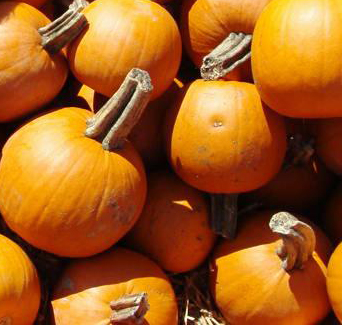
10 Steps to a Giant Pumpkin – by Don Langevin Taken from http://www.thepumpkinmaster.com/ For many of us, fall means a bounty of pumpkins for pies and jack-o’-lanterns, along with a gathering in of the rest of the autumn harvest. But...
Pollination Requirement and Seeds in Citrus
(The source of this material is unknown. Please email if you can find it.) Seeds are produced in the plant kingdom, generally, as a result of pollination. Many of the commercial species in the citrus genus, are self-fertile, meaning that...
New Banana for Georgia Beats Cold
Bananas breaking barriers in Georgia By April Reese Sorrow University of Georgia When most people think of bananas hanging on a tree, they picture tropical places. A University of Georgia researcher wants them to start associating Georgia with the popular...
Agricultural Heritage of Georgia
Georgia has always been a leader in agricultural production. We have a markedly varied climate, which allows for successful production of a wide range of fruits, nuts and vegetables. We have good transportation infrastructure, which permits shipping our produce easily...
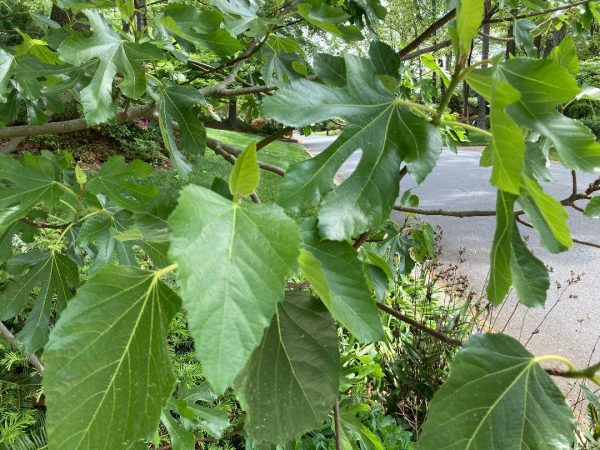
Fig – Pruning a Large One
Past years have produced bumper crops of figs for home gardeners. There were enough for birds, yellow jackets, kids and adults to share without dispute. Along with blueberries and raspberries, figs are almost carefree. The biggest problem that a fig...
Fruit – For Coastal Counties
We all know that Atlanta is not suitable for growing oranges or pineapple. But there is more to the state than north Georgia. Some fruits are more likely to thrive on the coast than they are inland. David Linvill, county...
Pear – Identifying
When you bite into a juicy pear, the thought may come to mind: “Why can’t I have a pear tree and grow lots of these tasty fruit?” The problem comes when you try to figure out what pear variety you...
Citrus
Citrus spp. With selection of the more cold-hardy varieties, Citrus can be grown in the warmer spots of Zone 8a and in most areas of Zone 8b, particularly those near the coast. A hard freeze (20 F and lower) will...
Blueberry
Vaccinium spp. Cultivated blueberry production in the South consists predominantly of the northern highbush blueberry and the rabbiteye blueberry, a native southern blueberry. • Much more information can be found in The Georgia Fruit & Vegetable Book by Walter Reeves...
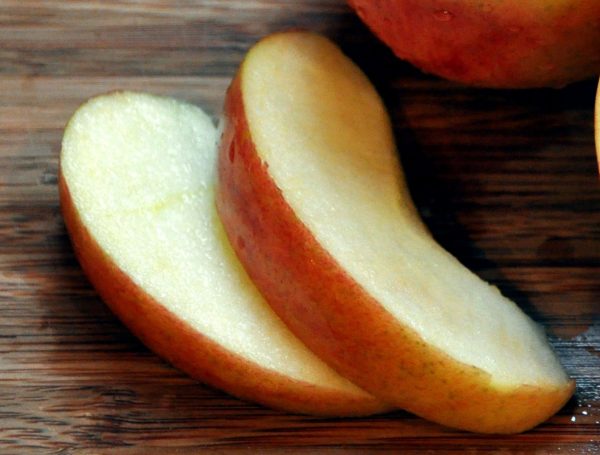
Apple
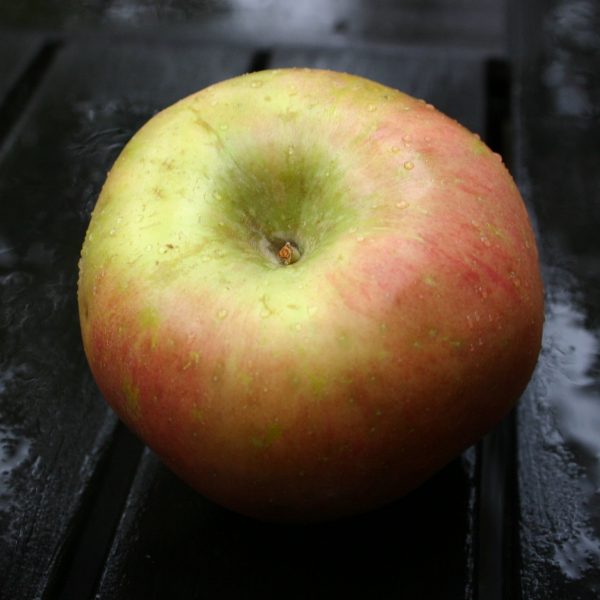
Malus cv. With the availability of dwarf trees, nearly any backyard can accommodate some of these fruit trees. Standard-sized Apple trees reach 30 feet or more tall with an equal width. Semi-dwarfs reach 15 to 20 feet and dwarfs grow...